
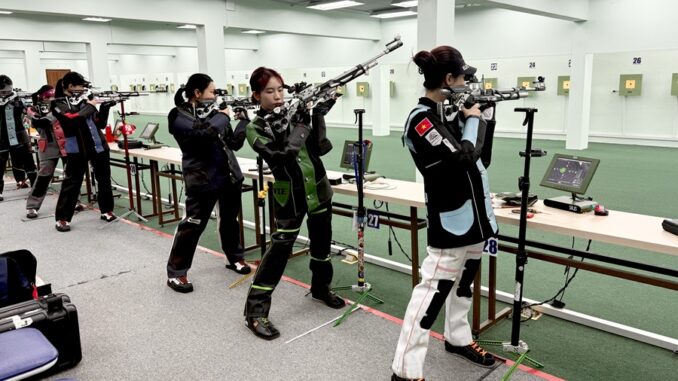
Hanoi, 7 July, 2025 – Vietnam is determined to revolutionize its sports development strategy, focusing on innovation and enhanced investment to achieve breakthroughs at top international competitions like the ASIAD and Olympic Games. One key element of this new approach is the application of artificial intelligence (AI) in athlete training and performance optimization.
According to Nguyen Danh Hoang Viet, Director of the Department of Sports and Physical Training under the Ministry of Culture, Sports and Tourism, four national teams — boxing, archery, shooting, and taekwondo — will pioneer the use of AI-assisted training. This pilot project will evaluate the effectiveness of AI technology in improving athletes’ performance, with plans to expand the implementation to more key sports disciplines starting in 2026.
“Our sports sector still faces limitations in terms of technological application, but integrating AI into training is a necessary step,” stated Nguyen Danh Hoang Viet. “Digital transformation will not only allow for deep data analysis of each athlete but will also help coaches and experts optimize their training programs based on these insights.”
Previously, the Vietnamese sports industry had introduced the MyCoach Pro software to several national teams. Once coaches mastered the platform, they could access detailed analytics about their athletes’ performance via smart devices such as tablets, phones, or laptops. Some teams have already experienced positive outcomes from this early-stage tech integration.
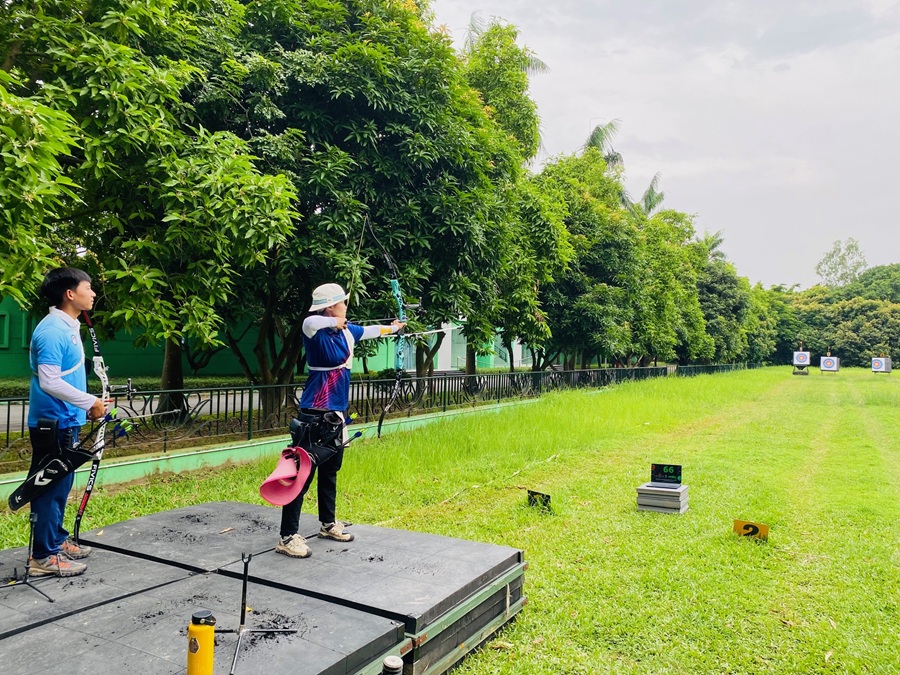
AI and other technologies are aimed at supporting coaches and athletes in improving performance, ultimately helping Vietnam win gold at the ASIAD and earn Olympic medals. Lam Quang Tung, representative of Dreamax — the AI application provider for Vietnam’s sports teams — emphasized that AI in sports is a global trend. He stressed that Vietnam’s use of AI is focused on achieving real results, rather than following a trend.
One significant challenge in adopting AI lies in collecting and analyzing performance data. In the pilot phase, the four national teams will work closely with technical experts to gather real-time metrics through various methods. The most effective approach is equipping athletes with electronic devices that can record their training metrics directly during practice sessions.
“We recently visited training centers in France to evaluate their facilities before sending athletes for overseas training,” a representative from the Department of Sports and Physical Training shared. “Most training venues there are equipped with motion sensors. These sensors track athletes’ every move, automatically transmit data to a central system, and AI then analyzes this information to support coaching staff remotely.”
Vietnam aims to replicate this model domestically. Currently, national sports teams train at five key centers located in Hanoi, Ho Chi Minh City, Da Nang, Can Tho, and Bac Ninh. However, none of these venues are yet equipped with motion sensor systems to collect performance data. “Technology requires investment,” the sports representative noted. “We will gradually install suitable equipment. There may be a learning curve at the beginning, but once coaches and athletes become familiar with AI systems, we expect significant professional benefits.”
The integration of AI into Vietnamese sports marks a crucial shift toward data-driven training methods, reinforcing the country’s ambition to elevate its presence on the global sporting stage.
Leave a Reply