

Hanoi, 25 May 2026 – From the senior national team to Vietnam’s youth sides, Vietnamese football is now showing a far more modern and versatile style of play than in previous years. The improvement has not only produced better performances, but also consistent success across multiple tournaments.
Indonesian outlet Bola Sport recently made an interesting assessment of Vietnam’s football development, writing: “Vietnamese youth teams today combine the technical quality of South American football with the discipline of European players. This allows them to remain organized while still maintaining creativity.”
The Indonesian media drew that conclusion after watching Vietnam national under-17 football team impress under Brazilian coach Cristiano Roland at both the ASEAN U17 Championship and the AFC U17 Asian Cup 2026.
While highly rated regional teams such as Indonesia U17 and Thailand U17 were both eliminated in the group stage, Vietnam U17 continued to deliver strong performances. The young Vietnamese side won the ASEAN U17 title, reached the quarter-finals of the AFC U17 Asian Cup, and secured qualification for the FIFA U17 World Cup 2026 in Qatar.
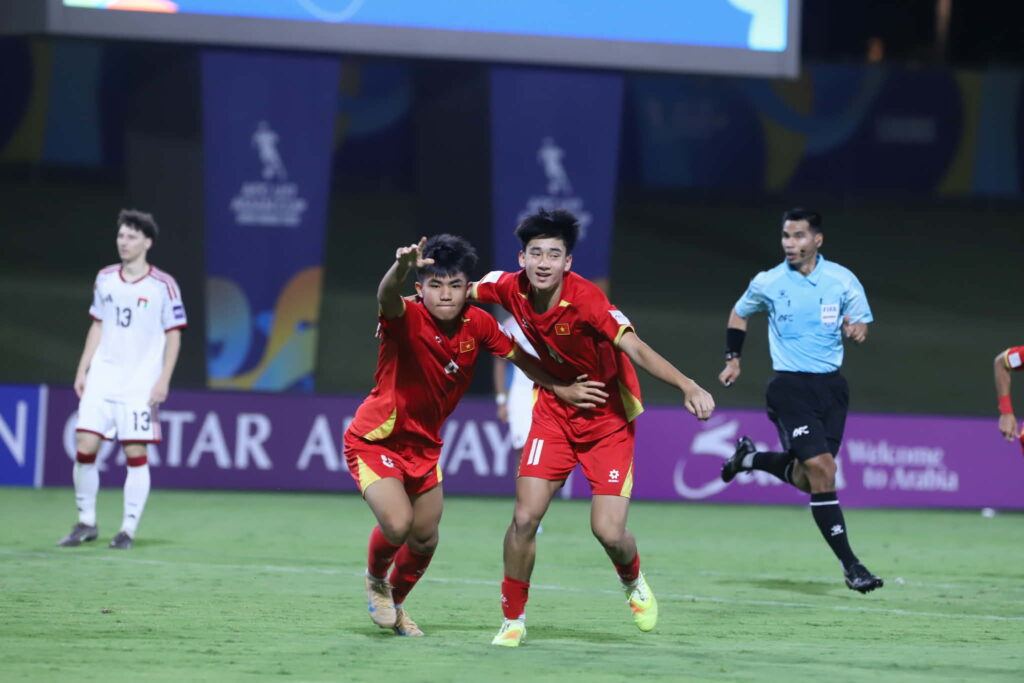
What makes the achievement even more impressive is the age of the players involved. At just 17 years old, the team already displayed tactical discipline, composure, and creativity beyond expectations. Those qualities have also become increasingly visible at higher levels, including the U23 and senior national teams.
Recent results reflect that progress clearly. Vietnam U23 won the ASEAN U23 Championship 2025, captured the gold medal at SEA Games 33, and finished third at the AFC U23 Asian Cup 2026. Meanwhile, the senior national team lifted the AFF Cup 2024 trophy and qualified for the AFC Asian Cup 2027.
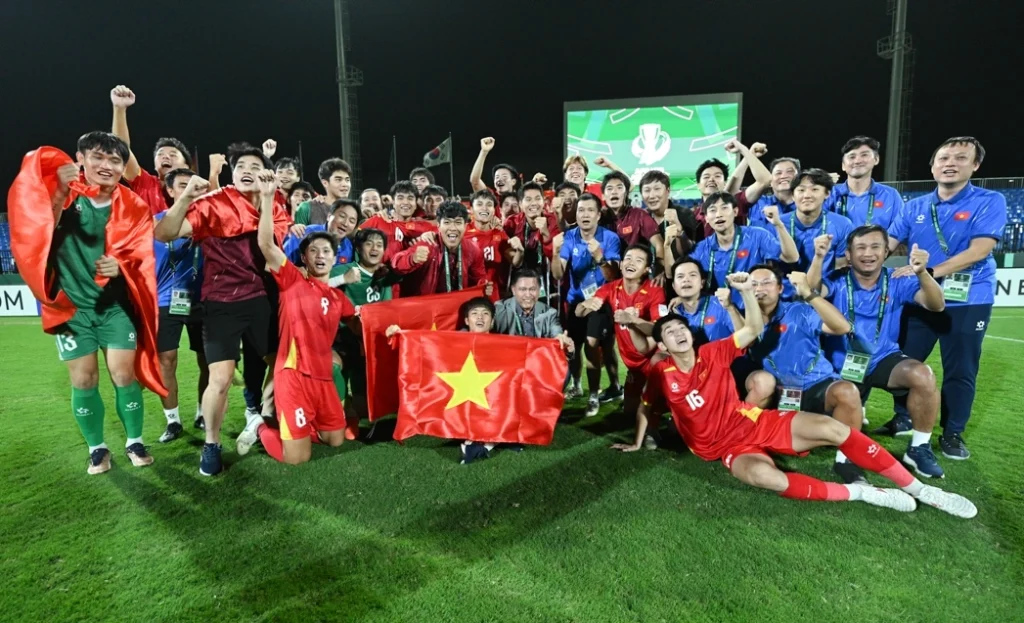
Unlike previous generations, Vietnam’s national teams and youth teams now share a much more unified football identity. From the AFF Cup and SEA Games to the AFC U23 and U17 tournaments, Vietnamese teams consistently attempt to control possession, combine through short passing sequences, and build attacks collectively rather than relying on individual moments.
Indonesian media noted that in the past, Vietnamese teams often played completely different styles depending on the coach or competition. Defensively, players tended to sit deep under pressure and simply clear the ball away whenever possible.
That approach has changed significantly. Modern Vietnamese teams now try to regain control immediately after winning possession, even when facing stronger opponents. Whether attacking directly or playing on the counter, players are encouraged to build from the back, combine in small groups, and gradually push forward into attacking areas.
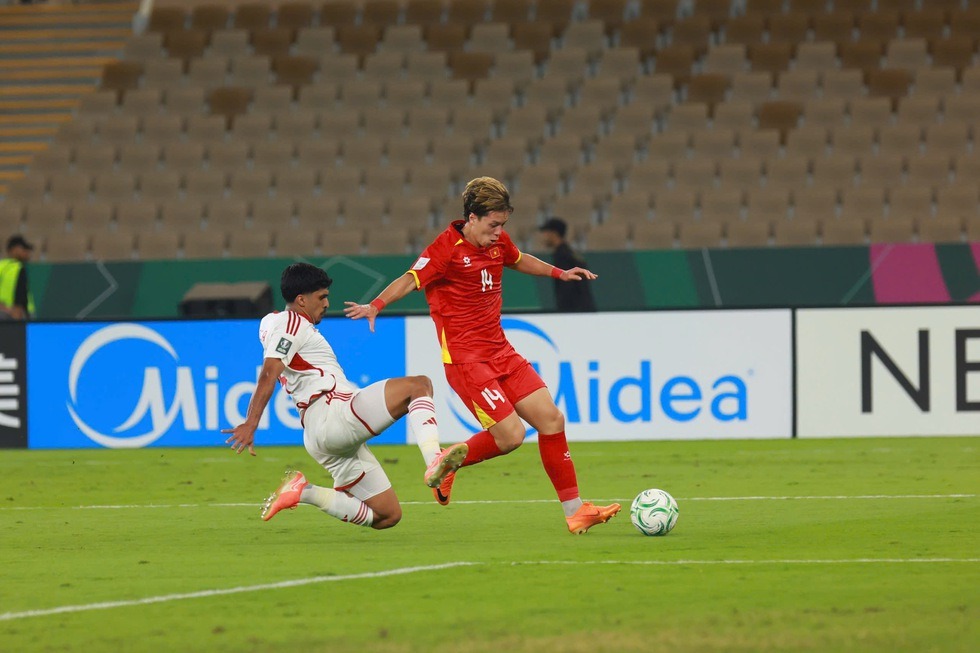
Vietnamese football is also no longer dependent on luck or isolated counter-attacks to score goals. Instead, players now rely more on technical quality, tactical movement, and organized attacking structures to break down opposing defenses.
This transformation has largely come from the major improvements in domestic youth development over the past two decades. Technical standards, football intelligence, and player confidence have all grown considerably. That confidence has helped Vietnamese teams maintain a clear football identity while creating consistency across every level, from youth football to the senior national side.
For many years, Vietnamese football looked at countries such as Japan, South Korea, and Uzbekistan with admiration for their established football identities. Now, after years of patient investment in youth development, Vietnam is finally beginning to build a recognizable football identity of its own.
VSN/RPT
Leave a Reply